When your muscles feel tight, sore or just off, it’s natural to look for something that offers more than just temporary relief. That’s where dry needling therapy comes in. It’s a technique that has gained attention across Caulfield for helping with tight muscles, tension and ongoing pain, especially where regular stretching and massage haven’t done the job. But even though it’s becoming more popular, lots of people still have questions about how it works and what to expect.
If you’ve been wondering whether dry needling therapy in Caulfield could make a difference for your body, it helps to start with the basics. You might have heard it’s like acupuncture. Or maybe you’ve heard it’s great for recovery after a tough gym session. We’ve broken down five of the most common questions so you can better understand how it works, why it’s done and whether it might be right for you.
What Exactly Is Dry Needling Therapy?
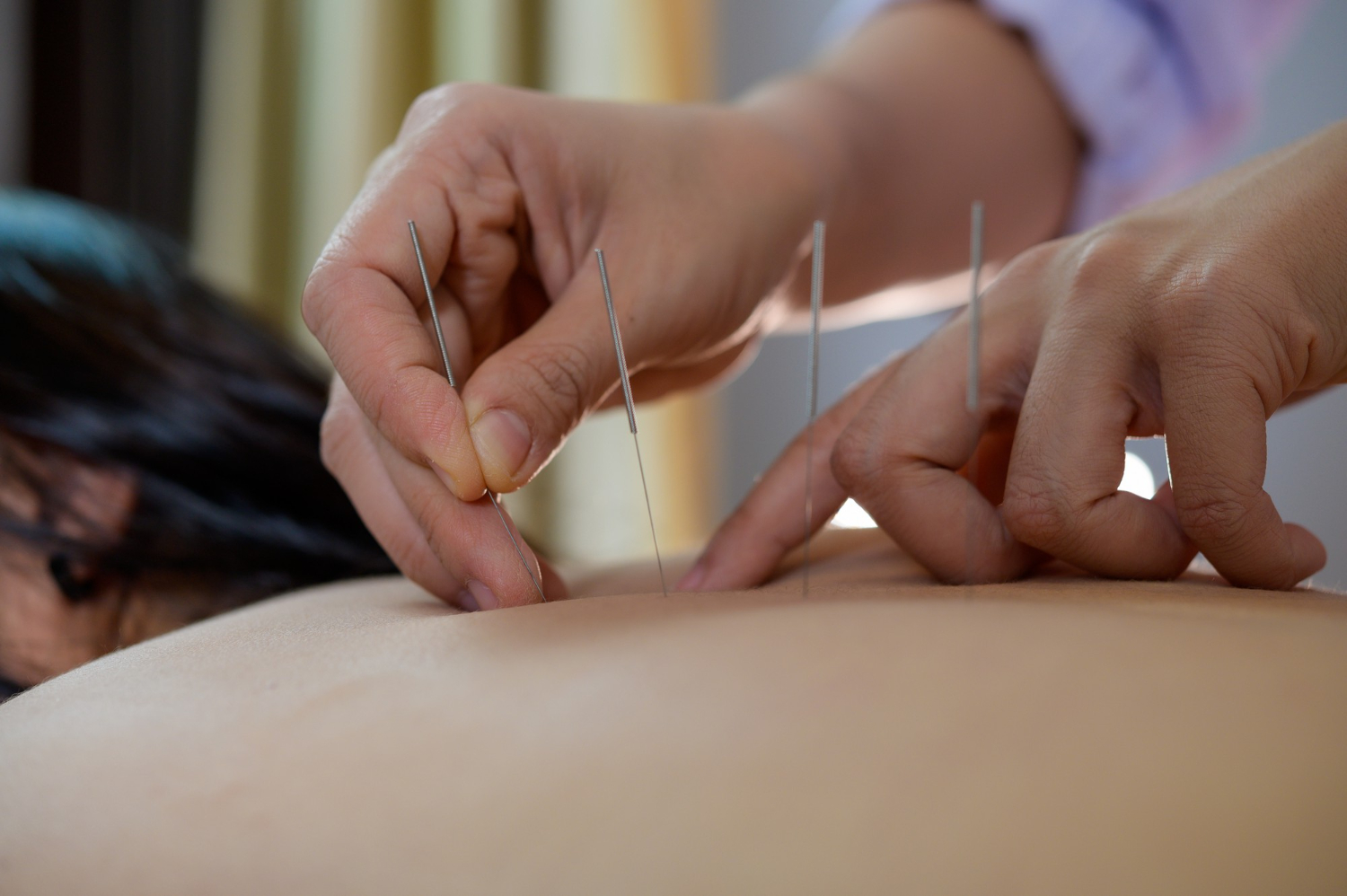
Dry needling sounds a bit intense at first glance, but it’s actually a straightforward technique. It uses very thin, sterile needles to reach tight or sensitive spots in your muscles. These tight spots are known as trigger points, and when they’re active, they can cause pain in your local muscle or in areas nearby. Tight hamstrings, a sore neck or even tension-related headaches can all be linked back to these points.
Now, it often gets mistaken for acupuncture, and even though both use similar needles, they’re not the same. Acupuncture is based on traditional Chinese medicine. Dry needling, on the other hand, is linked to how muscles and nerves respond when there’s tension, injury or poor movement. It focuses on reducing muscular pain and improving function by targeting those specific trigger points.
Here’s a quick look at what dry needling is used to help with:
– Neck and shoulder tightness
– Lower back pain
– Tension headaches or jaw pain
– Sports-related muscle tightness
– Stiff hips or hamstrings
– Recovery support after strain or overuse
The needling itself isn’t usually painful. People often describe it as a dull ache or a brief muscle twitch. Some don’t feel much at all. What’s clear though, is that it often feels like a release, especially in areas that have felt tight or restricted for a while. It can also feel like your muscles had a light workout afterwards.
Dry needling helps reset the muscle and kickstart the body’s normal healing process. It doesn’t involve medication or injections. Instead, it works with your body’s own systems to ease pain and improve movement.
How Does Dry Needling Work?
Dry needling targets muscle knots or trigger points that form when muscles are overworked, injured or stuck in poor positions for too long. A needle is gently inserted into one of these points, which may trigger a brief muscle twitch. That response shows your muscle is letting go of built-up tension and starting to heal.
Once the trigger point is released, the area gets better blood flow, inflammation can go down, and the muscle begins to work like it should again. It breaks the loop where tight muscles lead to more pain and less movement. That’s why people often feel a sense of lightness or ease in motion right after a session.
The session doesn’t just involve needles. Before anything begins, your practitioner will:
– Talk with you about symptoms and do a brief assessment
– Figure out what muscle groups are involved
– Decide if dry needling is suitable for your condition
– Explain where the needles will be placed and what it may feel like
Each needle is sterile and used only once. They don’t inject or draw anything out, which is why it’s called “dry.” The needles stay in for a short time and are removed once the goal is reached. Some sessions may only use a few needles, depending on what’s needed.
The method is safe when handled by a trained practitioner. Cleanliness is a top priority to lower the chance of any issues. If you’re unsure about any part of the process, it’s always okay to ask. The goal is for you to feel comfortable and informed throughout the session.
What Can I Expect During a Dry Needling Session at The Chiro Lab?
A dry needling session should never feel confusing or stressful. Most people feel more relaxed once they know what to expect.
Your session starts with a short chat about any pain, injuries or symptoms you’ve been feeling. There might be a quick physical check or movement test to figure out which muscles need help.
Next comes the hands-on part of the session, which usually follows these steps:
1. You’ll lie on a treatment table, either on your front, back or side, depending on the area being treated.
2. The skin around the targeted muscle is cleaned with an alcohol wipe to keep the area hygienic.
3. A thin, sterile needle is gently inserted into the muscle at the trigger point.
4. You may feel a dull ache or twitching. These are normal signs that the muscle is reacting.
5. The needle stays in just long enough to get the result needed, then it’s removed.
Afterwards, you may feel like you’ve had a light workout. Some people also notice a bit of tiredness or warmth in the area. These are just signs your body is adjusting. The overall goal is to help ease tension and improve how your body feels and moves after treatment.
Sessions are usually short and don’t require any downtime. Once the needlework is done, your practitioner may reassess your movement and share tips for home care or light stretching to keep things on track.
Are There Any Side Effects or Risks?
Like any therapy involving your body, dry needling can come with mild effects. Most people handle it well, but knowing what to expect helps you feel prepared.
Common side effects can include:
– Muscle soreness or a dull ache for a day or two
– Mild bruising where the needle was inserted
– Slight fatigue or muscle tiredness
These effects usually fade quickly and simply mean the muscle was activated. Drinking plenty of water and moving gently afterwards can help with recovery.
More serious risks are uncommon. Trained practitioners know where to place the needles and maintain high hygiene standards, which keeps everything as safe as possible.
To support recovery after treatment, these tips can help:
– Avoid intense workouts within the first 24 hours
– Use a cold pack if an area feels tender
– Keep moving gently to encourage good muscle response
– Stay well hydrated
If you’re on medications like blood thinners or have a health condition that may affect healing, it’s helpful to mention it before your session. A quick chat allows your care to be adjusted to your needs and keeps the process safe and effective.
How Many Sessions Will I Need?
It’s normal to ask how many appointments are needed. The answer depends on a few things like what issue you’re dealing with, how long it’s been going on and how your body reacts each time.
Some people notice change after just one visit. Others may need several to get better long-term results. If your tightness or pain has built up over months, it won’t fully shift in one go, and more sessions will support a better outcome.
Most treatments are done once a week or every couple of weeks. As symptoms improve, the time between sessions can increase or switch to general maintenance and support.
For example, someone with regular hip tension might come in weekly at first, then gradually move to occasional sessions once the pain eases and movement returns.
Dry needling is even more helpful when paired with guidance like stretching, posture checks or changes to habits that make muscles work too hard. These extras support your progress and stop the issue from coming straight back.
Find Relief with Dry Needling Therapy in Caulfield
Muscle pain that won’t go away can affect your mood, sleep and ability to stay active. When it sticks around for weeks or months without changing, it’s hard to know what will actually help. Dry needling offers a targeted way to get to the root of the problem and break that ongoing cycle of discomfort.
Whether your pain is from injury, poor posture, stress or sport, this treatment is built to support recovery without pushing your body too far. For many, it’s the missing link between short-term relief and long-term improvement.
If dry needling therapy in Caulfield sounds like something you’ve been needing, it could be time to explore it further with the right support. The goal is to get you feeling better, moving easier and living with fewer aches day to day.
Ready to experience the benefits of dry needling therapy in Caulfield? At The Chiro Lab, we’re dedicated to providing holistic, personalised care that targets your unique needs. Schedule an appointment with us today and take the first step toward alleviating muscle tension and enhancing your mobility. Your journey to better well-being starts here!