
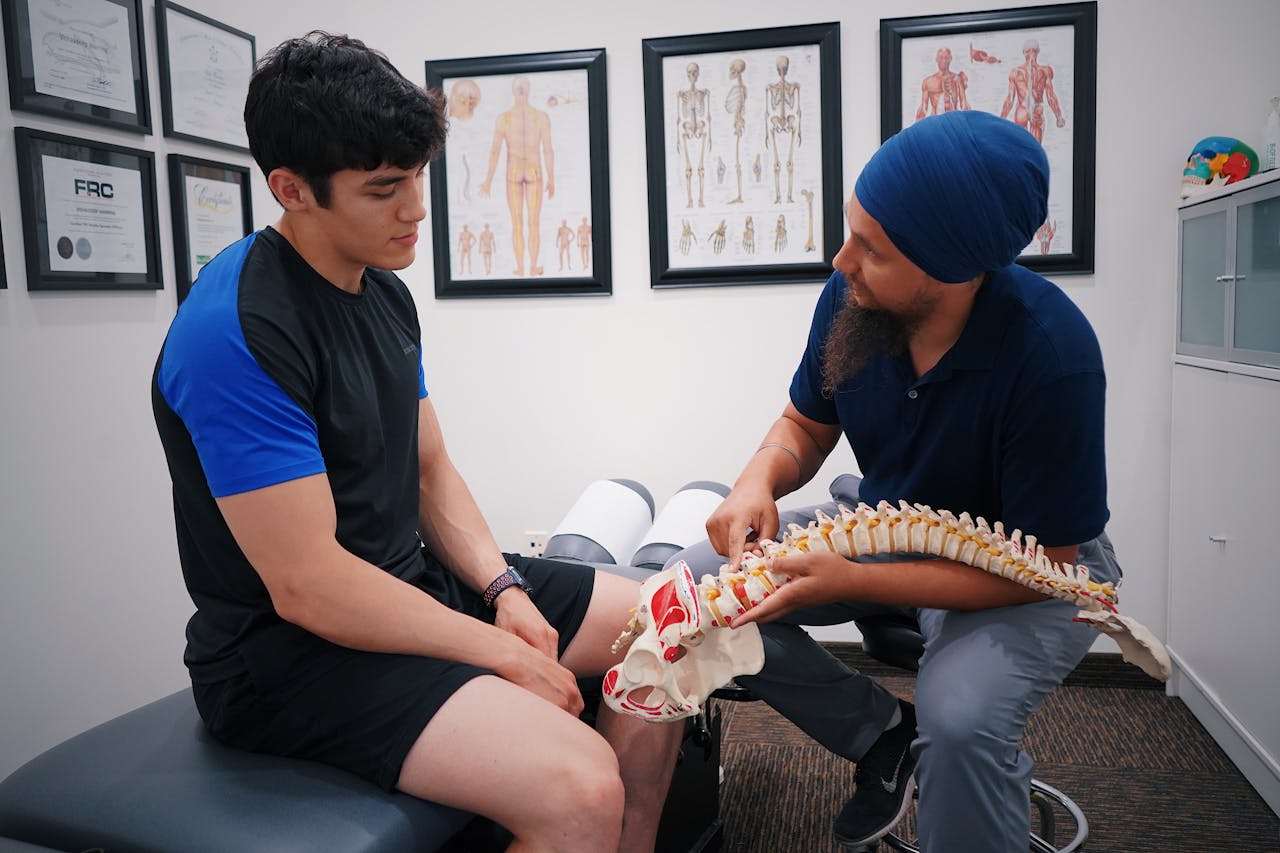
As we move toward the cooler stretch of June in Caulfield, the days feel shorter, and our routines often shift without us realising. It’s not uncommon to settle into more time indoors or notice changes in how our backs and joints feel through daily movement. Whether it’s an ache setting in after long hours at a desk or stiffness creeping in during quieter weekends, these signals often build over time.
One therapy more people ask us about when that sense of pressure builds is spinal decompression therapy. It’s not about immediate fixes but more a gentle step that fits into broader habits when mobility feels restricted or tightness lingers longer than usual.
What Happens to the Spine During Everyday Movement
The spine is always working in the background, reacting with every step, sit, or stretch. Though we usually don’t think much about it, simple routines play a big part in how the spine feels by the end of the day.
- Sitting for long hours leaves some areas of the spine compressed, especially through the lower back and neck.
- Regular bending or lifting can strain certain joints or muscles, particularly if the motions aren’t balanced with movement in the opposite direction.
- Even walking patterns can show up in the spine, especially if posture changes or weight isn’t evenly shared across both legs.
When winter draws in and we start doing fewer outdoor activities, these basic patterns often don’t change much. That’s when the small strains built up during repetitive habits become more noticeable. The lack of variety in movement leaves the spine without the natural resets it’s used to through daily life, which can make tight spots feel more set in.
Where Spinal Pressure Comes From
Spinal tension rarely comes from one big moment. More often, it shows up after weeks or months of movement patterns repeating in the same way. Some common contributors include:
- Sitting at desks, especially without regular changes in position.
- Carrying bags or backpacks on one side of the body only.
- Long drives with very little opportunity to stretch or shift.
In colder months, people tend to move less overall. That reduced movement, even if it feels easier in the moment, means there are fewer chances for the spine to stretch, rotate, or release tension. Over time, those stiff or tired spots start to speak up more, even during ordinary routines like standing in the kitchen or reaching for something on a shelf.
Often, it’s the build-up of small pressures, not one dramatic movement, that leads to discomfort. Understanding that changes the way we think about support. It’s not about reacting to a single event, but looking at how to create more room across a usual day.
How Spinal Decompression Therapy Fits In
The idea behind spinal decompression therapy is to gently reduce the pressure in the spine. For some people, it may feel like giving the back a little more space after spending long periods compressed by sitting or fixed postures.
At The Chiro Lab, all spinal decompression therapy is delivered by experienced practitioners as part of a patient-centred approach to spinal disorders, sports injuries, and mobility care. Each session is individually planned around your posture, history, and daily habits for maximum comfort and support.
We’ve found this therapy is often part of a wider plan people follow over time. It’s not about quick changes but supporting steady improvements. It’s used most where someone feels that tight, compressed sensation that doesn’t shift after stretching or rest. Spinal decompression therapy isn’t the only step a person might take, but it’s one that often makes more sense when someone starts putting their daily spinal health into a bigger picture.
Paying Attention to Your Movement Habits
It can be helpful to start noticing small things throughout the day. Tuning into how your body feels during regular tasks, or even while resting, can show early hints that your spine is carrying a bit more load than usual.
- Do you find yourself shifting a lot in your chair?
- Are you rubbing the same sore spot on your back multiple times a day?
- Is there a pattern to when your neck feels tight or your hips get sore?
Even gentle awareness like this can go a long way in understanding how movement affects your comfort. Making little changes such as switching how you carry your bag, taking standing breaks, or supporting your feet under the desk can slowly give your spine some breathing room. Writing down when stiffness shows up can also reveal habits that aren’t working anymore.
When Slower Days Call for a Different Kind of Support
By mid to late June in Caulfield, many people start noticing that they’ve settled into slower routines. The cold mornings make it harder to roll straight out of bed and into action. Movement gets reduced without us really meaning for it to happen.
Staying inside more often, keeping cosy under a doona, or doing less walking after sunset might make the days feel easier, but they often limit full-body movement. Without that variety, the spine stays in one shape for longer, which can lead to more pressure on the joints and muscles in the back.
It’s a good time of year to check in with that sensation in your spine. If it feels like you’re carrying more tightness than usual or moving with less comfort, that’s a point worth paying attention to. Slower seasons may call for different kinds of support, ones that match the body’s quieter pace but still keep things flowing.
Building Comfort Through Everyday Awareness
The way we move each day plays a strong part in how the spine feels. And comfort, especially around the back and neck, often improves not through big shifts but steady little ones. The more we connect small habits like posture or rest breaks to how our spine functions, the more we find what improves our comfort long term.
We don’t need to be experts in body mechanics to notice what’s working and what’s not. Taking a bit of time to listen to those familiar tight spots or check in on posture now and then can be a big step toward feeling more at ease, even during a slow winter. Building that kind of awareness into everyday life gives us more options ahead.
Noticing more stiffness during your day or a compressed feeling in your lower back after long periods of sitting may be a sign it’s time to check in on your spinal health. At The Chiro Lab, we often speak with people about how small everyday habits and posture can add up over the years. For those looking to relieve tension as part of a long-term plan, some consider exploring spinal decompression therapy. Whether colder weather has slowed your movements or your daily routine feels more rigid lately, staying tuned in to what your back is telling you really does matter. If things don’t feel quite right, we’re always here to have a conversation.