Hip pain can sneak up and slowly make everyday things harder than they should be. Whether it’s walking around the block, sitting through a meeting, or getting a good sleep, sore hips can turn typical movements into something you dread. And while a sore hip might seem like a problem on its own, the root of the issue could actually be coming from your spine. That’s where spinal decompression therapy might come in.
This type of therapy is often used to help ease tension in the spine and reduce pressure on nearby nerves. When something’s off in your lower back, it can cause pain to travel down into the hip or even the leg. For people around Caulfield and other parts of Melbourne dealing with stubborn hip pain, spinal decompression therapy could be worth understanding a bit more. It’s not a quick fix, but it may be part of the longer-term solution your body’s looking for.
Understanding Hip Pain
Hip pain doesn’t just affect older people or those recovering from injury. It can affect people of all ages and activity levels. And while the pain shows up in the hip, it doesn’t always start there.
Here are some common reasons someone might feel pain in or around their hip:
1. Sitting for long periods, especially with poor posture
2. Muscle or joint imbalances from sports or repetitive movements
3. Past injuries or falls that didn’t heal quite right
4. Changes during growth, pregnancy, or ageing
5. Misalignment or compression in the low back that aggravates surrounding nerves
When the spine, especially the lower back, isn’t moving well or has issues like compressed discs, it can set off a chain reaction. Nerves that run from your spine down to your hips can get irritated, and that’s when the hip starts to ache, throb, or feel stiff.
Symptoms of hip pain can vary. Sometimes it’s dull and constant. Other times it comes and goes, especially when you’re sitting or walking for too long. You might notice tightness that pulls through the lower back or pain that makes it hard to lie on one side at night. If it’s linked to nerve issues, the ache can even spread into the thigh or buttock area.
It’s easy to brush this off as something that will fix itself, but ignoring hip pain often leads to more problems later. Pain tends to change how you move. That can add stress to other joints and muscles, which only makes things worse. Getting the right kind of help early can make it easier to keep doing the things you enjoy and avoid bigger problems.
How Spinal Decompression Therapy Works
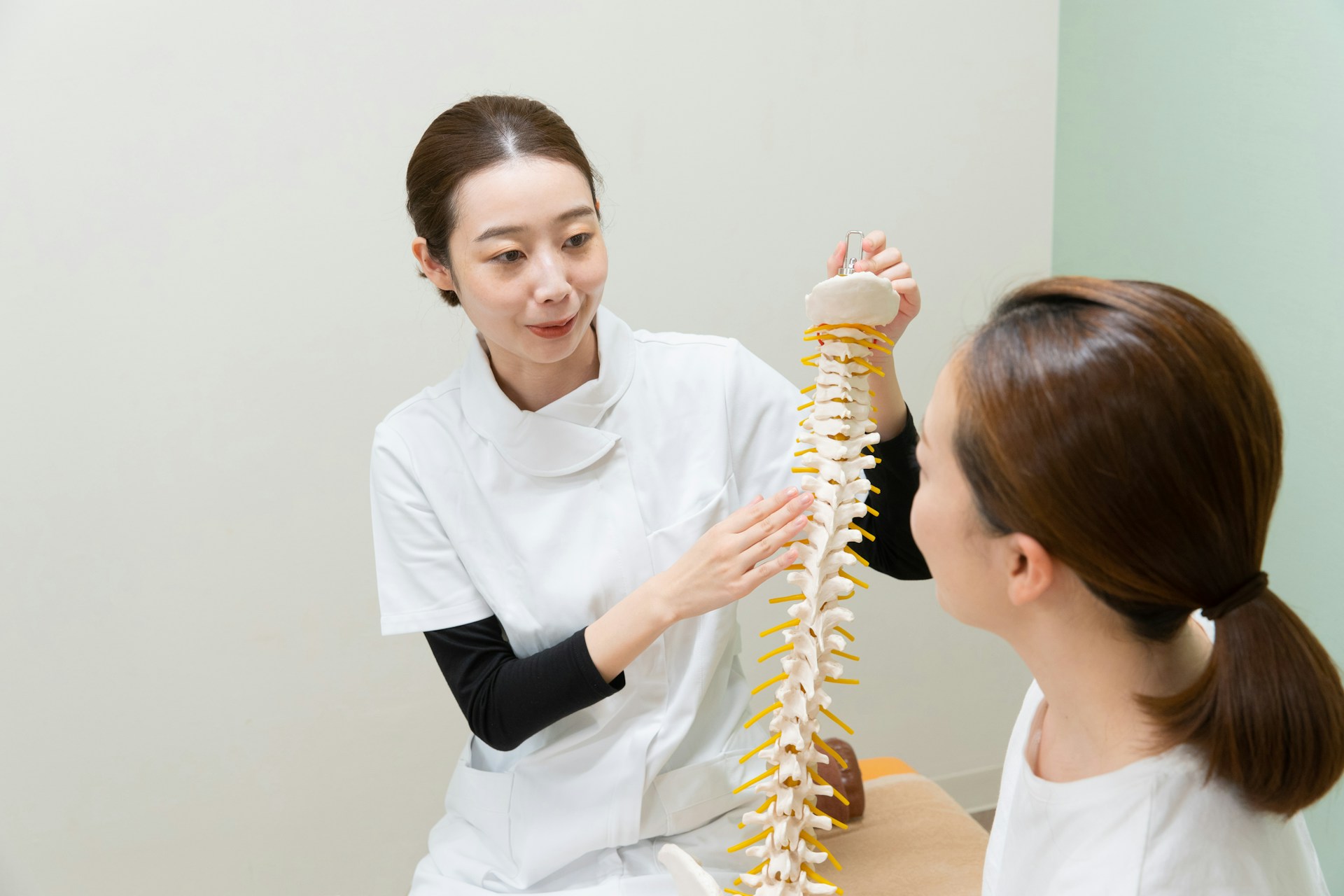
Spinal decompression therapy is a treatment that focuses on easing pressure within the spine, especially in areas where discs or joints might be causing discomfort. While the spine and hips sit in different parts of your body, they’re deeply connected. Many people are surprised to learn that what feels like a hip problem can actually be coming from lower back pressure.
This therapy usually involves a gentle form of traction using a specialised table or device. The goal is to lengthen and relax the spine slowly. This removes load from discs, joints, and nerves that might be compressed or irritated. For people dealing with hip pain tied to poor spinal function or nerve involvement, this can help relieve pressure and make movement easier again.
During a typical session, you’ll lie on a table and be secured with a harness across the hips or trunk. The machine then applies a slow, controlled pulling force that gently stretches parts of the spine. It’s not painful, but it’s designed to help the spine reset and promote healthier function. Sessions are usually short and tailored to how your body responds. It doesn’t involve manual adjustments or cracking.
The relief felt from this therapy can vary. Some may notice reduced hip stiffness or tension through the lower body, while others might find walking or sitting becomes easier. Since hip pain often ties back to nerve interference, easing that pressure from the spine can influence how the hips feel overall.
Rather than just treating the symptom, spinal decompression therapy investigates where the discomfort is truly coming from. For some, that deeper approach makes all the difference.
Benefits Of Spinal Decompression Therapy For Hip Pain
When discomfort in the hips is related to spinal pressure or irritated nerves, spinal decompression therapy may help reduce the symptoms and improve mobility. By gently stretching the spine and creating space for discs and nerves, this therapy helps some people move more easily and comfortably.
Here are a few potential benefits of decompression therapy when it comes to hip pain:
1. Relief from persistent aches that don’t respond to typical rest
2. Reduced nerve pressure that may be sending pain signals to the hip or leg
3. Better circulation in the lower spine, supporting natural healing
4. A gentle approach that avoids forceful movements or medication
5. Possible improvement in balance and posture as tension through the back lowers
Some people feel looser or more flexible after just a few appointments. Others discover that activities like walking feel more manageable again. Since it doesn’t rely on strong manipulation, it’s often a good fit for those looking for a gentle, steady approach.
The therapy works best as part of a larger care plan that might include stretching, posture corrections, or light exercise based on individual needs. Still, for many in Melbourne who’ve been chasing relief for hip pain without much luck, it might be the missing link they haven’t tried yet.
Choosing Spinal Decompression Therapy in Melbourne
If you’re living in Melbourne and considering spinal decompression therapy, choosing the right clinic matters. Not all practitioners are the same, and neither is everyone’s pain experience.
Here are some key things to look for before booking a session:
1. Experience with decompression therapy and spinal-specific care
2. A thorough initial assessment to rule out other causes of your symptoms
3. Customised sessions rather than a generic plan
4. Convenient clinic location, especially if follow-up sessions are part of your care
5. A team that considers long-term goals and offers a full range of support
Being based in Caulfield or nearby makes it easier to stick to consistent care. It also helps to work with someone familiar with Melbourne’s way of life, seasonal changes, and the active lifestyle so many locals enjoy. When outdoor movement and regular exercise are part of your routine, getting your body back to its best becomes a top priority.
Finding the right fit also means working with a practitioner who asks questions about how the pain started, what makes it worse, and what daily habits could be feeding it. By connecting these dots, they can choose whether spinal decompression therapy is the right approach or just one part of your overall plan.
Achieving Comfort and Mobility in Caulfield
Living in a place like Melbourne, where beachfront strolls, weekly footy matches, and long walks through green parks are all part of local life, makes it all the more frustrating when hip pain slows you down. But when that pain keeps returning or doesn’t seem to improve, it could be time to look at the deeper causes.
The connection between spinal health and hip pain isn’t always obvious, but once it’s uncovered, everything from your posture to how you move can begin to change. Spinal decompression therapy focuses on giving your body the time and space it needs to heal by reducing pressure in key areas that might be affecting your hips.
So whether you’re hoping to get back on your bike, return to gardening, or just walk around Caulfield Village without discomfort, it all starts with feeling supported in your body. Spring brings longer days and more chances to get out and about. If hip pain is holding you back, this season might be the right time to start looking into treatment options that don’t just ease the pain, but address where it’s actually coming from.
For anyone in Melbourne dealing with ongoing hip discomfort, The Chiro Lab offers support tailored to your needs. You can explore whether spinal decompression therapy in Melbourne is right for you and take the next step toward feeling more comfortable in your daily routine. Reach out to our team today to chat or arrange an appointment.
Leave a Reply